
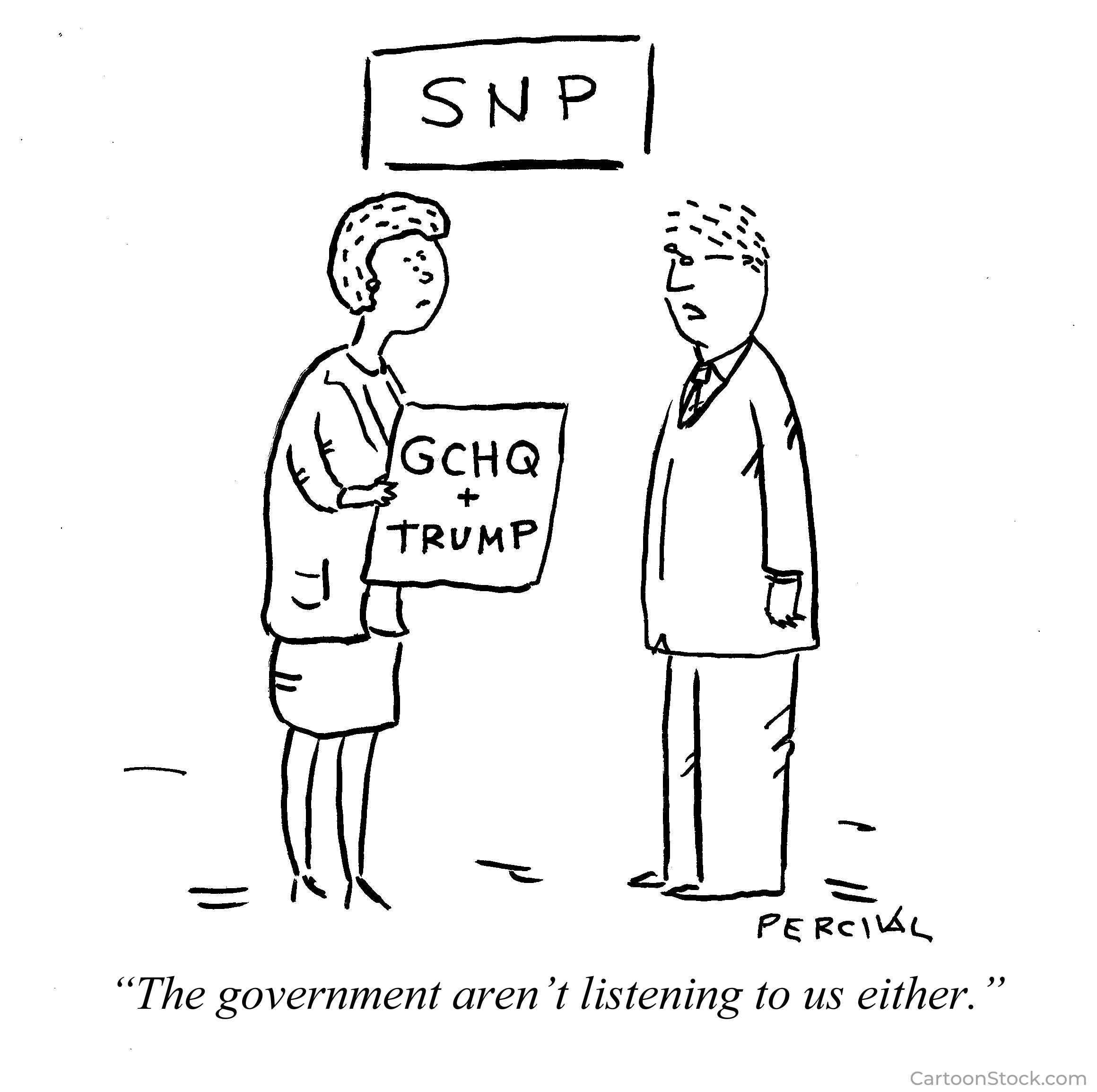
 In the high-stakes theatre of global politics and international business, there is a recurring character: the leader who speaks with a megaphone but listens through a brick wall. We are currently witnessing a masterclass in the “failure to listen”—a phenomenon where those in power mistake their own broadcast for a dialogue.
Whether it is a stadium in Milan or a committee room in Westminster, the results are identical: a disconnect that leads to public rejection, U-turns, and the evaporation of trust.
The Stadium Echo: JD Vance and the Winter Olympics
The 2026 Winter Olympics in Milan were designed to be a celebration of “global togetherness.” Yet, when US Vice President JD Vance appeared on the big screen at the San Siro Stadium, the atmosphere shifted from thumping techno to a wall of boos and whistles.
While domestic broadcasts may attempt to sanitise the audio, the reality on the ground was a textbook case of misjudging the room. By attending an event centred on international unity while representing an administration often perceived as isolationist or confrontational, Vance stepped into a “negotiation” with the public without understanding his audience’s “wishes and desires.” The crowd wasn’t just jeering a person; they were rejecting a product—a political offering—that they felt was being forced upon them in a space meant for harmony.
The Repetitive Rejection: Trump and the “Boo” Factor
This isn’t an isolated incident. President Donald Trump has faced similar receptions at events ranging from the US Open to Broadway’s Les Misérables. When a leader is consistently met with vocal disapproval in diverse settings, it signals a fundamental breakdown in the first rule of negotiation: Know thy counterpart. If your “offering” (policies or presence) consistently clashes with the values of the “client” (the public), and you respond by doubling down or ignoring the dissent, you aren’t leading; you are merely shouting into a storm. In business, this is the equivalent of a salesman walking into a boardroom and pitching a product the client has already explicitly stated they despise. It doesn’t build confidence; it builds a barrier.
The Westminster U-Turn: Starmer and Mandelson
Closer to home, UK Prime Minister Keir Starmer recently faced a bruising embarrassment regarding his appointment of Peter Mandelson. Despite widespread warnings and existing public sentiment regarding Mandelson’s past associations, the Prime Minister initially pushed forward, only to be forced into a humiliating U-turn and a public apology to victims.
The error here was a failure to listen to the “benches”—both the public and his own party. By failing to identify the needs of the electorate (transparency and probity) and instead prioritising the “dark arts” of political maneuvering, Starmer demonstrated a “delight in forcing a view” that eventually turned the client base against him.
The Negotiator’s Playbook: Building Trust, Not Resentment
So, how do successful leaders and negotiators avoid these pitfalls? It starts with a shift from dominance to discovery.
- Identify the Needs: Before you step onto the stage or into the meeting, you must map the desires of the other party. What keeps them up at night? What are their non-negotiables?
- Match the Offering: Don’t just sell what you have; frame your offering to solve their problems. If the public wants unity, don’t bring a divisive platform. If a client wants security, don’t offer a high-risk gamble.
- Build a Clear Approach Plan: Trust is not a one-time event; it is a sequence of reliable actions. Approach the “client” with a plan that demonstrates you have heard them, rather than a plan that assumes they will eventually submit to your view.
Key Takeaway: Forcing your view down a potential client’s throat is the fastest way to ensure they never take a second bite. True power lies in the ability to listen, adapt, and align.
When politicians and CEOs stop listening, they stop leading. They become merely a noise in the room—and eventually, the room decides it has heard enough.